
2026 Rutgers Active Learning Symposium
Coming Together to Advance Teaching
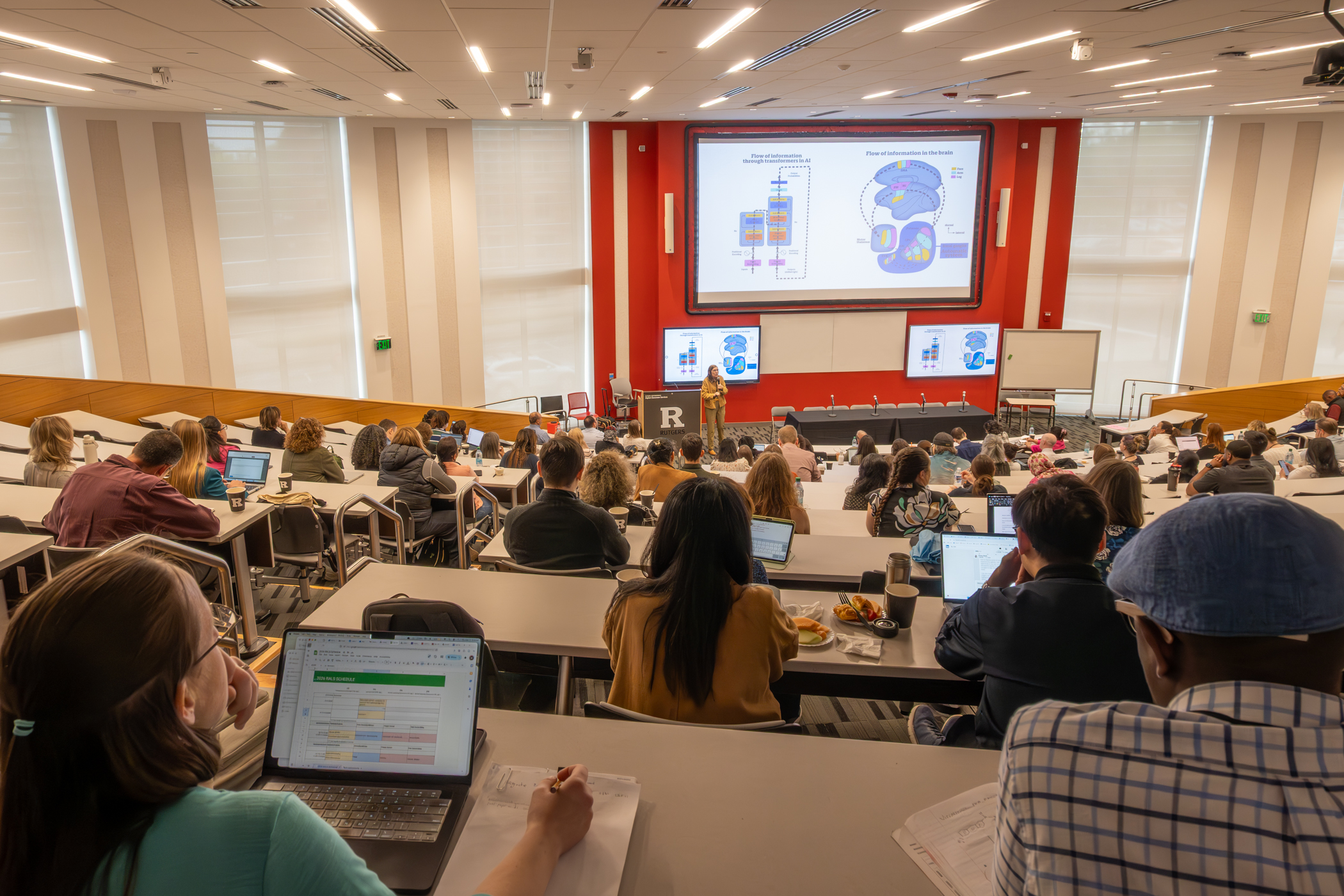
The Rutgers Active Learning Symposium (RALS) on Thursday May 21st was a day of discussions, presentations, panels, and workshops relating to various topics in active learning. The 2026 edition of the annual Symposium also celebrated the tenth year of the Active Learning Community. We gathered at Richard Weeks Hall of Engineering on Busch Campus.
Special Keynote Guest Barbara Oakley
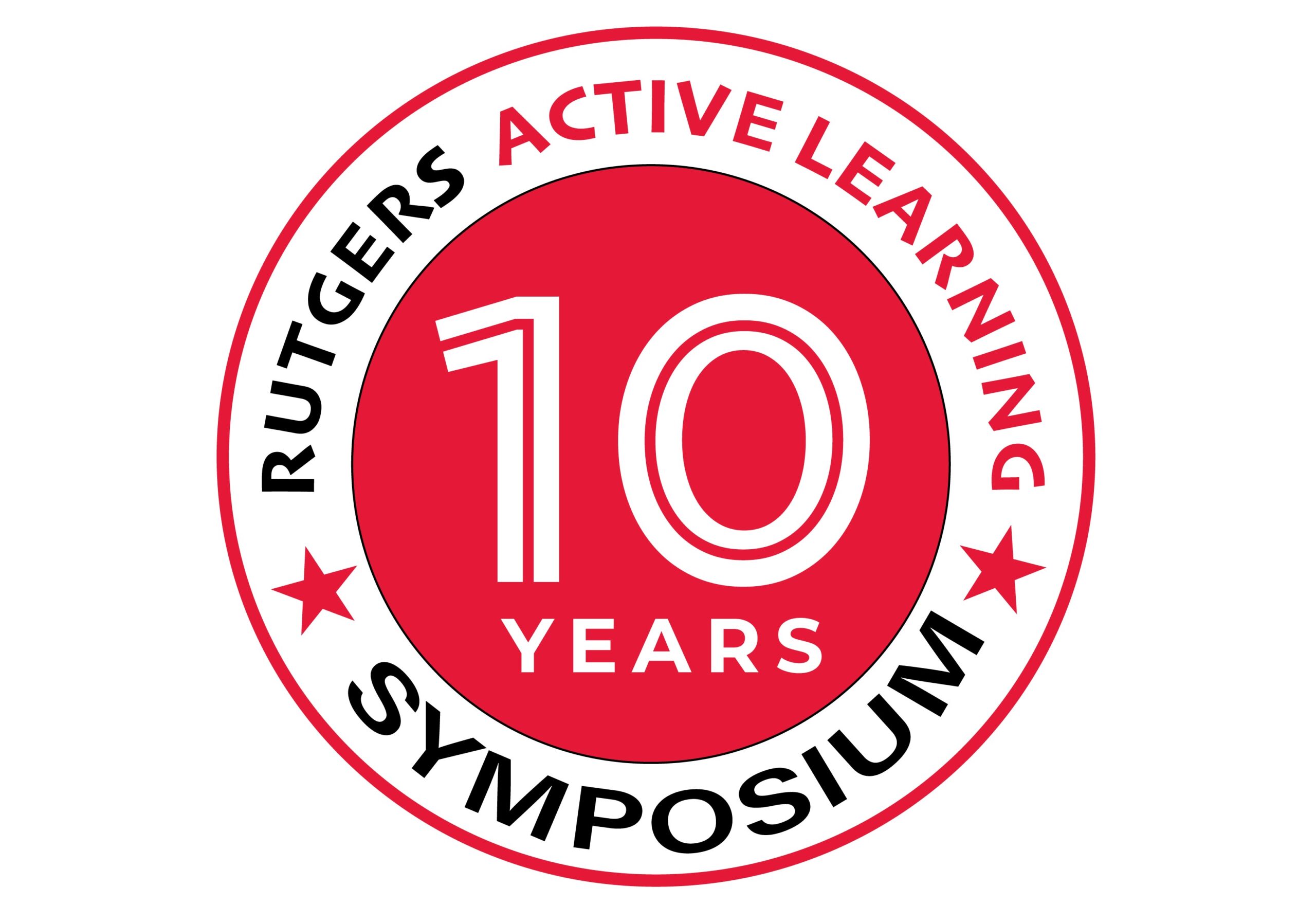
Our visiting guest was Barbara Oakley. Barbara is a Professor of Engineering at Oakland University and her books, including Uncommon Sense Teaching (Penguin Random House 2021), help faculty investigate how cognitive science can inform strategies to keep students motivated and engaged. Over the course of two sessions, Barbara used AI as a model for exploring how students learn and how lecturing and active learning can work together to create effective direct instruction. We were also excited to be able to highlight explorations in active learning from colleagues at Rutgers and beyond. View the Symposium Schedule below for more information.
Celebrating Ten Years!
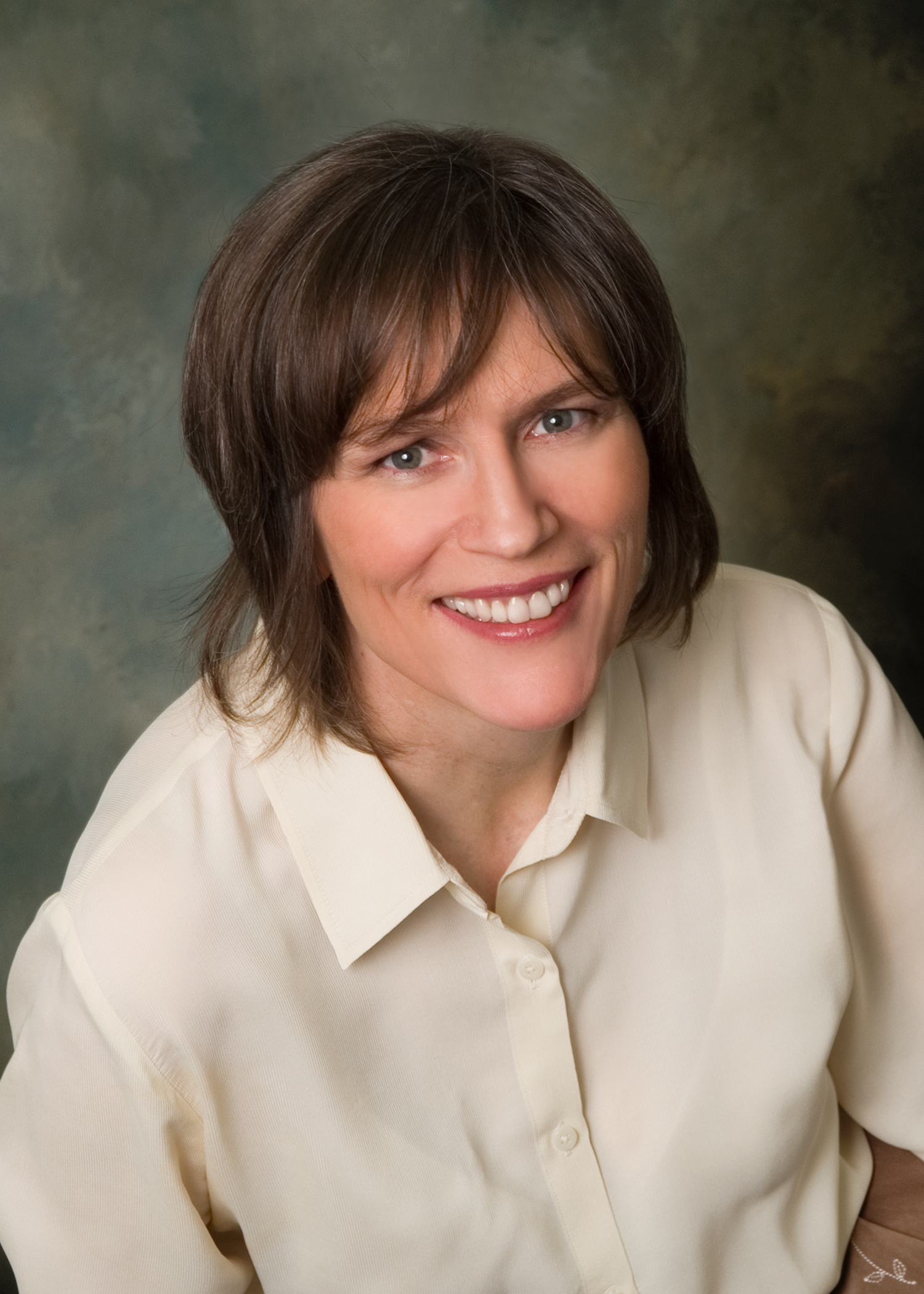
In addition to looking at the future of teaching, 2026 RALS offered a chance to commemorate ten years of the Active Learning Community. We took a moment to reflect on the growth of learning spaces, teaching techniques, and collaboration centered around active learning at Rutgers. It also provided an opportunity to welcome back past leaders of the Active Learning Community: Stacey Blackwell, Chris Morett, Alice Seneres, and Dena Novak.
Session Information
Click on a session below to learn more about the topics and presenters. To access presentation materials shared by session leads, please visit the 2026 RALS resource folder.
Keynote Sessions
-
Barbara Oakley
Neuroscience has made extraordinary advances in revealing how the brain actually learns — yet much of this science has yet to reach the educators who need it most. In this keynote presentation, Barbara Oakley, creator of the world’s most popular course on learning, drew on her latest research to take audiences inside the learning brain, from the physical memory traces (engrams) that form when students learn, to the mental frameworks (schemata) that organize knowledge, to the dramatic shift from effortful recall to automatic intuition as the brain’s declarative and procedural memory systems work in tandem.
Along the way, she revealed a paradox at the heart of modern education: in an era when AI can instantly supply any answer, the knowledge students carry in their own heads matters more than ever — because the brain’s most powerful learning mechanisms, from prediction errors to schema formation, depend on internalized knowledge to function. Without it, even the best technology becomes a crutch rather than an amplifier.
Drawing on vivid examples from classrooms around the world — including dramatic case studies from Taiwan, New Zealand, and Singapore — Oakley showed what happens when education systems align with the brain’s architecture, and what happens when they don’t. She examined the striking reversal of the Flynn Effect in wealthy nations, explores why AI tools can paradoxically undermine the learning they aim to support, and offered practical, evidence-based strategies educators can use to ensure technology enhances rather than replaces deep learning.
This presentation was grounded in the latest neuroscience but designed for the decisions educators face every day: How should we integrate AI? What does effective teaching actually look like at the neural level? And how do we build minds that are both tech-savvy and deeply knowledgeable?
Barbara Oakley, PhD, PE is a Distinguished Professor of Engineering Emerita at Oakland University in Rochester, Michigan; Michigan’s Distinguished Professor of the Year; and Coursera’s inaugural “Innovation Instructor.” Her work focuses on the complex relationship between neuroscience and social behavior. Dr. Oakley’s research has been described as “revolutionary” in the Wall Street Journal. She is a New York Times best-selling author who has published in outlets as varied as the Proceedings of the National Academy of Sciences, the Wall Street Journal, and The New York Times. Her book A Mind for Numbers, on effective learning in STEM disciplines, has sold over a million copies worldwide; Uncommon Sense Teaching is a critically praised guide to teaching based on insights from neuroscience. Dr. Oakley has won numerous teaching awards, including the American Society of Engineering Education’s Chester F. Carlson Award for technical innovation in engineering education and the Institute of Electrical and Electronic Engineers William E. Sayle II Award for Achievement in Education. Together with Terrence Sejnowski, the Francis Crick Professor at the Salk Institute, she co-teaches Coursera’s “Learning How to Learn,” one of the world’s most popular massive open online courses with some four million registered students, along with a number of other leading MOOCs.
All Other Sessions
-
Panelists: Douglas Cantor, Kevin Dahaghi, Amml Hussein, John McLaughlin, Elin Wicks
Moderators: Jamie Kim
This panel featured an interdisciplinary group of Rutgers University-New Brunswick faculty members participating in the 2025-2026 Provost’s Teaching Fellows Program with the Institute for Teaching, Innovation, and Inclusive Pedagogy (TIIP). Fellows shared their experiences in transforming their courses and implementing pedagogical innovations. As a cohort, the fellows engaged in a range of activities such as participating in TIIP’s three-day Course Design Institute, collaborating with undergraduate student partners who observed the fellows’ teaching and shared feedback, and attending monthly gatherings during the academic year to share their ongoing work in course transformations. During the panel discussion, participants learned from panelists’ experiences with promoting experiential and collaborative learning through innovative course design and gain ideas and strategies to apply to their own course contexts. Participants will also have the opportunity to ask questions and interact with the panelists.
Dr. Jamie Kim is the Assistant Director of Teaching Development at the Institute for Teaching, Innovation, and Inclusive Pedagogy (TIIP). She provides instructional support and development for all levels of instructors at Rutgers University-New Brunswick. She works with a team of Graduate Student Coordinators to design and implement teaching development programs for graduate students and postdocs, and she also works with departments and programs across campus to provide tailored support to their teaching. She is committed to helping instructors promote innovative, inclusive teaching and active learning.
Dr. Douglas Cantor is an Assistant Teaching Professor in the Political Science Department at Rutgers. His courses include Law and Politics, Urban Politics, Law and Society, Constitutional Law, and seminars on topics like Water Politics and Housing Segregation. He has held several fellowships throughout Rutgers, including a current appointment with the Honors College as an Affiliated Faculty Fellow. His research interests include urban politics and public law. His book, Term Limits and the Modern Era of Municipal Reform, was published in 2024. His next book, Pipe Dreams: The Politics of Lead and Water in U.S. Cities, will be published in 2028.
Dr. Kevin Dahaghi is an Assistant Professor in the Department of Sociology at Rutgers University. He received his Ph.D. in Sociology from the University of Texas at Austin in 2021. His research interests include criminal justice, law, organizations, and political sociology. His research broadly focuses on the dynamics between social contexts and organizations in the policy process, with an emphasis on punishment and criminal legal policies. Using historical and quantitative methods, his current work examines the origins and development of policies that shape differential exposure to the criminal legal system. Kevin is affiliated with the Program in Criminal Justice.
Dr. Amml Hussein, Associate Teaching Professor at Rutgers, is a seasoned scholar whose expertise bridges the intersection of emergent technologies, behavioral science, and higher education leadership. She demonstrates scholarly leadership in artificial intelligence through her research on AI literacy and her role in the MIT Media Lab’s Advancing Human-AI (AHA) initiative, where she contributed to the 2026 report, Towards Open Benchmarks for Human Flourishing with AI. She is also a pioneer in accessible STEM education and trauma-informed pedagogy. Her work focuses on innovative, student-centered teaching, leveraging simulations, AI, and educational technology to foster active learning and meaningful engagement.
Dr. John McLaughlin is a Research Scientist at Rutgers, developing CRISPR/Cas9 gene editing strategies for disease resistance in wheat, barley, maize, and turfgrass. He builds on 15+ years of research spanning drug discovery, plant-fungal exosome characterization, chloroplast stress responses, and antifungal lipid transfer proteins. He contributes to graduate instruction in Plant Pathogenesis, Advanced Plant Breeding, and Biotechnology and Genomics, and mentors undergraduates through the Aresty, SUPER, and Liberty Science Center programs. He serves on the Rutgers Institutional Biosafety Committee and holds affiliations with the Center for Lipid Research, the Graduate Program in Cell and Developmental Biology, and the Rutgers Hemp Program.
Dr. Elin Wicks is an Associate Teaching Professor in the Industrial and Systems Engineering Department at Rutgers University. She teaches a large-section course on Engineering Economics. Her professional focus is on developing and promoting inclusive, student-centered classrooms that help the students practice the skills they will need to succeed.
-

Pauline Carpenter & Eliza BlauIn the age of generative AI, how can we help students harness our unique human ability to think about our own thinking to support their learning? Higher levels of metacognition (i.e., the ability to think about and regulate our own thinking) correlate with stronger academic performance (McGuire, 2015; Schraw & Moshman, 1995). Enhanced metacognition empowers learners to better navigate the current technological landscape that may be acting to undermine their learning. In this session, facilitators guided participants through a series of metacognitive strategies (e.g., Classroom Assessment Techniques, Thinking Routines, and reflection activities), which can be used in any discipline and any course modality, designed to enhance learners’ awareness of their own thinking and learning processes. Session participants gained awareness around metacognition, its relationship to learning, its relevance in the age of generative AI, and how we can support learners in developing it through easy-to-implement strategies.
Pauline Carpenter is an instructional design and technology specialist with the Office of Undergraduate Education in the School of Arts and Sciences. She partners with SAS instructors and colleagues to promote inclusive, equitable, and evidence-based learning across course modalities. She holds an MA in Education from McGill and a graduate certificate in Learning Design and Technology from Harvard Extension. Previously, Pauline worked to advance college teaching at Montclair State’s Instructional Technology & Design Services, Harvard’s Derek Bok Center for Teaching & Learning and Cornell’s Center for Teaching Innovation.
Eliza Blau collaborates with SAS instructors on all of their teaching and technology needs. She combines her learner-centered teaching experience and technology expertise to use research-based practices that help instructors meet their goals and address teaching challenges. Eliza holds an MA from Teachers College at Columbia University. She has taught middle school and high school social studies, and for the Rutgers Writing Program and SAS Honors Program.
-

Mary Emenike, Mariam Abdo, Geeta GovindarajooThis session explored the primary purposes of chemistry laboratory courses for students and how difficult it can be to ensure all students are developing the hand skills and techniques the laboratory experiments are designed to target. Presenters discussed the Digital Badge assignment created to integrate into a laboratory practical exam and how they built off of that work by developing a series of eight hand skills assessments that span across the semester. Detailed procedures and prompts were designed for each hand skills assessment to facilitate students earning points towards their final grade during the laboratory sessions. These Hand Skills focused on techniques rather than the overall yield or success of a reaction. In this session, presenters explained the overall design of the Hand Skills assessments, the logistical challenges of implementing such assessments in a large-scale non-major laboratory course (600-800 students/semester), and preliminary findings from a mixed-methods research study collecting qualitative and quantitative data from students as well as qualitative data from GTAs.
Mary Emenike is an Associate Professor of Professional Practice in the Department of Chemistry and Chemical Biology at Rutgers-New Brunswick. She is a chemistry education researcher and directs the TRIAD Coalition in the School of Arts and Sciences. She supports faculty in their course transformation efforts and collaborates on various discipline-based and STEM education research projects. She teaches an Introduction to Chemistry Education course to chemistry teaching interns pursuing a Certificate in Chemistry Education or a chemistry education minor. Mary is a founding member of the Rutgers Active Learning Community. Through the Learning Assistant Alliance (LAA), she supports faculty development and adoption of the Learning Assistant Model nationally. Mary earned her BS in Chemistry from Nazareth College and her PhD in Chemistry Education Research from Miami University.
Mariam Abdo is a second-year student enrolled in Rutgers’ School of Arts and Sciences. She is majoring in Psychology while pursuing coursework to prepare her for dental school and a career as a general practice dentist. Having the goal of continuing education and a desire to learn new subjects, her research interests include STEM education and Clinical Dental applications. Mariam was interested in joining a STEM education research project in order to gain a better understanding of how to learn information for the classes she herself needs to take.
Professor Geeta Govindarajoo is a Teaching Professor in the Department of Chemistry and Chemical Biology at Rutgers, The State University of New Jersey, and has taught various chemistry courses for almost 27 years. During this time, she has sought to employ innovations and carried out research projects in Chemistry Education while teaching. She originated and developed the “Chemistry of Art” course that is taught at Rutgers University after being inspired by an art forger’s autobiography to research the interplay of chemistry and art. She received the SAS Award for Distinguished Contributions to Undergraduate Education in 2011 and the Chancellor-Provost Award for Teaching Excellence in 2023. She earned a B.S. in Chemistry and Biology, and then a Ph.D. in Organic Chemistry in 1998 from the University of California, Irvine.
-

Kessler McCoy-SimandleIn large-enrollment courses, providing personalized, timely intervention can be a logistical hurdle. This hands-on workshop demonstrated how to use automation not just for efficiency, but as a catalyst for active learning interventions using a tool already available to all Rutgers faculty: Microsoft Excel. Participants were walked through a live demonstration of using Visual Basic for Applications (VBA) to automate the delivery of personalized emails. Rather than generic announcements, attendees learned to send targeted messages based on specific spreadsheet criteria. By automating feedback—such as offering supplemental resources to those struggling with a concept or providing specific prompts for project revisions—instructors can close the feedback loop and provide the “Just-in-Time” support that allows students to take active ownership of their learning trajectory.
Kessler McCoy-Simandle is an Assistant Teaching Professor at Rutgers University in the Department of Biochemistry and Microbiology. She is dedicated to finding innovative ways to maintain high-touch, personalized instruction within large-scale educational environments. Kessler specializes in incorporating active learning into high-enrollment courses and leveraging existing institutional tools to reduce administrative friction, allowing faculty to focus on meaningful student engagement. She has presented on diverse active learning strategies and effective classroom time management, helping colleagues move from theory to practical application in their own teaching spaces.
-

Tatiana RodriguezThis interactive workshop showed faculty how to move beyond traditional screen sharing to create more dynamic, participatory learning experiences. Using tools such as Camo Studio, Ecamm Live, and built-in Zoom features (called “virtual camera” tools) that allow you to stay visible while layering visuals, media, and interaction on screen, participants will see how simple shifts in setup can transform passive viewing into active learning. Rather than focusing on technology alone, the session demonstrated how intentional visual presence, layered media, and structured interaction techniques promote active learning by increasing student participation, sustaining attention, and reducing cognitive overload. Participants experienced live demonstrations, short interactive exercises, and real classroom examples from undergraduate courses. Each strategy is explicitly connected to active learning principles, showing how tools can be used to prompt discussion, guide interaction, and keep students cognitively engaged across modalities, including asynchronous classes. Participants left with practical, immediately applicable techniques to transform screen-based instruction into active, student-centered learning experiences.
Tatiana Rodriguez is an Adjunct Professor at Rutgers University, where she teaches Public Speaking, Social Media, and Leadership. She is also the creator of Tatiana Teaches, a platform that fuels educators to design learning experiences students enjoy and remember. A self-proclaimed tech nerd, she loves turning classrooms into experiential, interactive environments. Guided by her motto, “teach beyond the bland,” her work focuses on active learning, technology and multimedia integration, and student belonging. She blends neuroscience with practical classroom strategies and brings real classroom examples into every session, helping educators move beyond passive lectures and into experiences where students are thinking, responding, and genuinely engaged.
-

Christina Overmyer & Sheila TabanliThis presentation focused on the importance of building meaningful connections and a learning community in the classroom as a foundation for active learning. The presenters described an activity implemented for graduate teaching assistants (GTAs) in which they created a professional scientific profile to introduce themselves to students on the first day of class. This activity demonstrates how GTAs communicate and translate their research to students, reinforcing disciplinary knowledge, modeling scientific thinking, and contributing to a learning environment in which students feel connected to the broader scientific community. The presenters also discussed how this activity can be adapted by instructors in any field to share professional information about themselves in an intentional and approachable manner. Educational research best practices in teaching highlight that strong instructor-student connections foster communal learning and increase student engagement. These outcomes were observed in a STEM classroom through increased active learning, as reflected in engagement grades and through observation in increased discussion during think- pair-share activities. This approach supports both effective teaching and meaningful community building within STEM classrooms.
Christina Overmyer is a staff support administrator within the Division of Life Sciences at Rutgers University–New Brunswick. She supports a large-enrollment undergraduate teaching laboratory, working closely with the course director to ensure smooth daily and weekly operations. Her work has expanded to include curriculum design and professional development for the graduate teaching assistants who facilitate the course. Christina earned her master’s degree in education from Rutgers University.
Dr. Sheila Tabanli is an Associate Teaching Professor of Mathematics at Rutgers University–New Brunswick with over 25 years of experience as a K–16 educator. She is the author of the Guidebook for Reducing the Novice-to-Expert Perception Gap in Mathematics and founder of RR2PG, a cross-disciplinary faculty community advancing evidence-based, empathy-informed teaching. She developed the 3C Pedagogical Model—Compassionate, Connected, and Community-centered learning through Cognitive Apprenticeship. Her interdisciplinary course, Math 125, is supported by teaching fellowships and longitudinal data showing reduced DFW rates in gateway math courses. Her work has been featured in Forbes, Inside Higher Ed, and The Chronicle of Higher Education.
-

Próspero GarciaConcept-Based instruction (CBI) is a model of active learning where learners interact with concepts in a significant, coherent, and systematic manner, and where the materialization, manipulation, and transformation of their conceptual understandings are essential to effectively promote learning and development (García & Moranski, 2024). Using Vygotsky’s (1986) distinction between scientific and everyday concepts applied to second language development (Negueruela, 2008), this session showcased a pedagogical implementation of CBI to promote learner development in a remote-asynchronous context and examines the effectiveness of this model for the teaching and learning of academic concepts. Learners’ emerging conceptual development was informed by multiple sets of developmental data, including definition, performance, verbalization, personal reflection data, scaffolded activities, and the creation of personal conceptual schemas that encourage students to manipulate and internalize conceptual distinctions rather than memorize rules. Additionally, this session outlined concrete, practical applications that instructors can incorporate into their teaching. Participants in this session received authentic instructional resources as well as templates to successfully implement this approach in their classrooms. Finally, this session explored the affordances and constraints of bringing this approach into a pedagogical environment while employing the most productive tools, digital and otherwise, to support and facilitate learners’ development.
Próspero N. García is an associate professor of Spanish applied linguistics at Rutgers University, Camden. His research focuses on sociocultural psychology applied to heritage & second language acquisition and pedagogy, language evaluation and assessment, teachers’ cognition, and technology-enhanced language learning. Dr. Garcia’s excellence in graduate as well as undergraduate education has been recognized with several teaching awards, including the 2017-2018 Graduate Faculty Teaching Award from the Northeastern Association of Graduate Schools (NAGS), the 2017-2018 President Fellowship for Teaching Excellence at Rutgers University, and the 2017 Chancellor’s Award for teaching excellence at Rutgers University-Camden.
-

Kyle Murphy, Karen Harris, Lisa Palladino, Adrienne SimondsCollaborative learning and group work often rely on implicit expectations regarding students’ prior skills, knowledge, and dispositions related to effective teamwork, which can limit the productivity and benefits of these learning experiences. This session presented activity design strategies that intentionally integrate teamwork learning outcomes that support the development of the skills, knowledge, and dispositions necessary for effective collaboration.
During the workshop, participants reflected on their instructional goals for incorporating teamwork activities, engage in a collaborative activity and deconstruct both the process and outcomes, develop teamwork learning outcomes that can be implemented in their own courses, and examine student development as it relates to interpersonal and transferable skills. The session also highlighted practical tools and strategies that presenters are currently using to support student teamwork and collaboration.
Karen Harris is a Senior Instructional Designer and Assessment Specialist with Rutgers University Online Education Services. She has been working for over twenty years in the varied and evolving roles of instructional designer, curriculum specialist, and technology innovator. Her experience has been focused on supporting teaching, learning and faculty professional development and research at Rutgers University New Jersey Medical School, Institute of Electrical and Electronics Engineers, Kean University, Monmouth University and Columbia University. She has an Undergraduate Degree in Russian Area Studies from Columbia University and a master’s degree in computing and education from Teachers College, Columbia University, and is continuing her lifelong learning at the Rutgers GSE.
Dr. Kyle A. Murphy is an Associate Teaching Professor in the Department of Biochemistry and Microbiology at Rutgers University, where he teaches and develops innovative undergraduate biochemistry courses online, hybrid, and in-person formats. His work focuses on active learning, inclusive pedagogy, and technology-enhanced science education, with particular interest in student engagement and assessment strategies in large enrollment courses. Dr. Murphy has presented nationally on digital learning and creative approaches to biochemistry education. In addition to his teaching scholarship, he mentors undergraduate researchers and maintains research interests in cancer biology, toxicology, and molecular signaling pathways.
Lisa Palladino Kim, EdD, has over 15 years of pharmaceutical industry experience, specializing in Clinical Operations, Project Management, and Patient Engagement. She is a Lecturer and Capstone Director in Rutgers’ School of Health Professions. In 2025, she received the Presidential Award for Excellence in Teaching by a Lecturer and was nominated for the Rutgers Online Teaching Excellence Award. In 2026, she was honored with the George F. Heinrich, MD Excellence in Teaching Award. A recognized leader in instructional design for on-line education, she contributes to strategic planning and innovation across Rutgers and global clinical research initiatives. She founded the Clinical Research Management (CRM) Network, a community of 9K+ professionals supporting clinical research leadership and collaboration.
Dr. Adrienne Simonds is an Assistant Professor in the Doctor of Physical Therapy Program in the School of Health Professions at Rutgers University. She has been recognized for her expertise in teaching and learning and was awarded the Rutgers SHP Excellence in Teaching Award in 2017. She is a leader in university shared governance, having been elected to two terms as Chair of the 200+ member University Senate, the largest shared governance organization at Rutgers, and served on the President’s Administrative Council and Rutgers Board of Governors.
Adrienne utilizes a person-centered leadership approach that combines relationship building, empathy, and empowerment. Her 20+ year career as a Physical Therapist directly influences her leadership and teaching style. Developing and facilitating connection and engagement, whether in the classroom or leadership spaces, are how teams move forward and navigate resistance. Dr. Simonds is committed to mentorship, serving as a faculty mentor and advisor to students in the Doctor of Physical Therapy Program at Rutgers Health and the BOLD Women’s Leadership Network at Rutgers-Newark.
Dr. Simonds’ clinical expertise is in sports, orthopedics, and hospital acute care physical therapy. She is the lead author of the Clinical Practice Guidelines for Pelvic Girdle Pain in the Postpartum Population and has served in both state and national leadership roles in the American Physical Therapy Association (APTA). Her scholarly expertise in pregnant and postpartum physical therapy is nationally recognized with publications, awards, and over 20 peer-reviewed presentations.
-

Doreen GlodowskiThis presentation described how a flipped classroom model was used to transform a large lecture-based course, Genetics 380. Changes made to course organization were described in a way that was helpful to others considering a similar course transformation. The presenter highlighted the utilization of several active learning techniques, including iClicker, small group assignments, and active discussion/problem solving. Challenges experienced in maintaining student engagement were discussed, along with methods developed to address these challenges. Doreen also compared experiences with the flipped classroom model in smaller and larger classroom settings with student enrollments of ~150 and ~415 students, respectively.
Doreen Glodowski Trotta is a full-time Assistant Teaching Professor in the Division of Life Sciences at Rutgers University-New Brunswick. She has been teaching at Rutgers for nearly 20 years. She teaches the large Genetics 380 course, with ~450 students, in the fall and the smaller Genetics 380 course, with ~150 students, in the spring. In the spring, she also teaches Genetics, Law and Social Policy, a course designed for non-science majors to fulfill core curriculum requirements, with an enrollment of ~70 students. In her free time, she enjoys gardening, traveling, and playing board games with her family.
-

Panelists: Christine Cahill, Sara Sáez-Fajard, Karen Harris, Dr. Lyra SteinModerators: Mary Emenike & Crystal Quillen
This panel discussed how the Scholarship of Teaching and Learning (SoTL) helps faculty assess and improve engagement-based teaching strategies, such as flipped classrooms, one-minute papers, metacognitive strategies, group work, and collaboration. This is imperative because while we know active learning has transformed collegiate education, the question that often remains is ‘how do we know if our strategies truly enhance student learning’? This session explored the intersection of SoTL and active learning, highlighting how educators can use research to improve engagement, collaboration, and student outcomes in both in-person and online courses. Panelists shared their experiences with SoTL – ranging from just starting a project, to collecting and analyzing data, to supporting and engaging in collaborative projects. By examining SoTL studies conducted here at Rutgers related to active learning strategies, attendees gained practical insights into using research to refine and enhance active learning for better student outcomes.
Christine Cahill is an Associate Teaching Professor and Undergraduate Director in the Department of Political Science. She has several ongoing Scholarship on Teaching and Learning (SoTL) projects, including how strategic AI-tool interventions with coding and data visualization affects achievement gaps in undergraduate quantitative courses, how using messages based on the “get-out-the-vote” literature can be modified to mobilize undergraduate students to utilize Rutgers services and resources thereby increasing their propensity for academic success, and a project that examines how early-career faculty’s experience with different types of pedagogy training affects their preparedness to teach at different types of higher education institutions.
Sara Sáez-Fajardo is an Assistant Teaching Professor and Director of the Spanish Language Program in the Spanish and Portuguese Department at Rutgers University-New Brunswick. Her work is grounded in the Scholarship of Teaching and Learning (SoTL), which informs her development of a textbook-free, proficiency-oriented Spanish curriculum based on Task-Based Language Teaching. Her SoTL projects examine how interaction opportunities—such as chatbots, peer exchanges, and structured tasks—impact proficiency development and student perceptions in online asynchronous and in-person courses. She is particularly interested in how AI tools can support equitable access to meaningful interaction while maintaining academic integrity, as well as in observing and comparing learning outcomes in online asynchronous language courses.
Karen Harris is a Senior Instructional Designer and Assessment Specialist with Rutgers University Online Education Services. She has been working for over twenty years in the varied and evolving roles of instructional designer, curriculum specialist, and technology innovator. Her experience has been focused on supporting teaching, learning and faculty professional development and research at Rutgers University New Jersey Medical School, Institute of Electrical and Electronics Engineers, Kean University, Monmouth University and Columbia University. She has an Undergraduate Degree in Russian Area Studies from Columbia University and a master’s degree in computing and education from Teachers College, Columbia University, and is continuing her lifelong learning at the Rutgers GSE.
Dr. Lyra Stein is an Associate Teaching Professor in the Department of Psychology at Rutgers University–New Brunswick. She has received numerous accolades, including the 2024 Hypothesis Social Learning Innovator Award in Social Sciences and the 2025 Co-Intelligence Exploration Teaching Fellowship. Dr. Stein has played a leading role in faculty development through service on curriculum committees, mentoring programs, and national teaching organizations, and she is an advocate for inclusive, research-informed pedagogy. Elin Wicks is an Associate Teaching Professor in the Industrial and Systems Engineering Department at Rutgers University. She teaches a large-section course on Engineering Economics. Her professional focus is on developing and promoting inclusive, student-centered classrooms that help the students practice the skills they will need to succeed. Dr. Wicks is currently conducting a study on student perceptions of GenAI as a tool for studying Engineering Economics. She is currently designing a study focused on what motivates students to engage in their learning.
Mary Emenike is an Associate Professor of Professional Practice in the Department of Chemistry and Chemical Biology at Rutgers-New Brunswick. She is a chemistry education researcher who supports faculty in their course transformation efforts and collaborates on various discipline-based and STEM education research projects. She teaches recitations in the extended general chemistry course, which includes undergraduate learning assistants (LAs) as part of the teaching team. She teaches an Introduction to Chemistry Education course to chemistry teaching interns (TIs) pursuing a Certificate in Chemistry Education or a chemistry education minor. Mary is a founding member of the Rutgers Active Learning Community. Through the Learning Assistant Alliance (LAA), she supports faculty development and adoption of the LA Model nationally.
Crystal Quillen is the Assistant Director of Teaching and Learning Scholarship for the Institute for Teaching, Innovation, and Inclusive Pedagogy (TIIP) at Rutgers University-New Brunswick. In her current role, Crystal leads TIIP’s Scholarship of Teaching and Learning (SoTL) program, where she mentors SoTL Scholar Fellows, co-leads a Community of Practice (CoP), and works to build a vibrant community of teacher-scholars across disciplines. She also leads the GenAI Pathways Program, supporting faculty in developing foundational and applied knowledge around generative AI in teaching, and is cultivating a GenAI CoP in response to growing faculty interest. She remains an engaged member of the broader higher education community through her continued involvement with the Society for the Teaching of Psychology (STP).
-

Cecilia Arias & Melissa LiebermanUndergraduate mathematics instruction often emphasizes abstract symbols and formal procedures, yet research and classroom experience suggest that students benefit from opportunities to actively construct meaning. This session focused on exploring how manipulatives and other tangible or visual representations can be integrated into college-level courses as tools for inquiry, reasoning, and deep conceptual understanding. Participants examined how a course designed for preservice elementary school teachers models an approach to mathematics instruction that is equally powerful across the undergraduate curriculum, including courses that are not introductory in nature. Central to this approach is the use of manipulatives—physical or representational tools that allow learners to model, test, and reason about abstract structures. In higher education, these tools function not as simplifications but as representations that make definitions, relationships, and assumptions visible. The session explicitly addressed how active learning with manipulatives supports deep understanding at the college level. By engaging with concrete and visual models, students are encouraged to explain their reasoning, confront misconceptions, and connect multiple representations (symbolic, graphical, numerical, and physical). These experiences help students move beyond rote memorization of material toward conceptual understanding, outcomes central to undergraduate STEM learning. Through a series of collaborative, hands-on stations, participants experienced activities from our preservice teacher course that model how manipulatives and representations can be incorporated into STEM courses as integral components of instruction. Participants then brainstormed ways to redesign topics from their own courses as hands-on labs, identifying opportunities for exploration, conjecture, and sense-making that align with their disciplinary goals while promoting engagement and long-term retention of course material.
Cecilia Arias has been a math educator for over 20 years, teaching at the K-12, undergraduate, and graduate levels. She is currently a Lecturer in the Department of Mathematics at Rutgers University, where her main teaching focus is courses for non-math majors and future teachers. She is also the Program Coordinator for Rutgers Math Corps, a summer math camp for middle and high school students, which is in its third year. Outside of Rutgers, Cecilia is a founding member of 4D Math Alliance, a non-profit organization that provides mentorship and professional development for K-12 mathematics teachers.
Melissa Lieberman is an Associate Teaching Professor in the Department of Mathematics at Rutgers University. She serves as a course coordinator and undergraduate advisor for all 10X courses, which include liberal arts math, as well as courses for future teachers. Most recently, Melissa was recognized with the Chancellor Award for Excellence in Broadening STEM Access, particularly for her work in redesigning and improving the catalogue of 10X courses.
-

Panelists: Christine Altinis-Kiraz, Katie Barillas, Francesca Guerra, Hongyoung Kim, Anna Kornienko, Lyra Stein, Elin WicksModerators: Mary Emenike, Marc N. Muñiz, Charles “Chaz” Ruggier
This panel discussed the Classroom Observation Protocol for Undergraduate STEM (COPUS, Smith et al, 2017), which is designed to document what the instructor is doing and what the students are doing during class to help demonstrate techniques and approaches used in the class. The protocol includes 10-12 activities that the instructor could be doing and 10-12 parallel activities that the students could be doing. The output of this protocol can be useful for instructors to adjust their pedagogical approaches to increase student engagement and can also be valuable for teaching portfolios. Faculty on the panel shared their experiences participating in a Semester Support Group (SSG) that includes bi-weekly meetings and peer observations of teaching – each participant is observed twice by a peer, and each participant observes a peer twice – using the COPUS. Panelists described what they learned from the experiences of both being observed and observing others, their experiences interpreting feedback from the COPUS, and how giving and receiving feedback on teaching informed the changes they made in their active learning classrooms.
Christine Altinis-Kiraz is an Associate Teaching Professor in Chemistry & Chemical Biology at Rutgers University–New Brunswick. She earned her M.S. in Chemistry from UCLA and her Ph.D. in organic chemistry from Rutgers. She redesigned the Extended General Chemistry sequence, implementing the “I Do, We Do, You Do” active learning model and integrating Learning Assistants to her lectures and recitations. She has trained over 150 near-peer instructors and emphasizes metacognition, goal-setting, and flipped lectures. Her innovations have impacted many students. She received the 2024 Provost’s Innovation in Teaching Award and the 2022 SAS undergraduate distinguished team award for the transformations she has led.
Katie Barillas is an Associate Teaching Professor in the Undergraduate Education Department in the School of Engineering at Rutgers University and also serves as the Program Director for ID3EA (Introduction to Data-Driven Design for Engineering Applications), the foundational first-year course sequence for all engineering students. She holds a B.S. in Chemical Engineering from Lafayette College and M.S. and Ph.D. in Chemical and Petroleum Engineering from the University of Pittsburgh. Dr. Barillas’s focus is on first-year engineering education, student engagement, interdisciplinary learning, and inclusive pedagogy. As Program Director for ID3EA, she has led curriculum development initiatives that integrate hands-on design, teamwork, and real-world problem-solving into the foundational course sequence. Her teaching emphasizes active learning, student-centered instruction, and the development of professional skills such as technical communication, collaboration, and ethical decision-making.
Francesca Guerra is an Assistant Teaching Professor in the Department of Chemistry and has dedicated over a decade to refining the student learning experience, through high-impact, active-learning formats. At Rutgers, she has focused on teaching General Chemistry and led specialized recitations designed to move beyond traditional lecturing, fostering a collaborative environment where students engage directly with complex problem-solving. She has co-developed the activities used in these sessions, ensuring they align with modern educational standards and student needs. Beyond the classroom, Dr. Guerra is committed to the professional development of the next generation of educators, actively mentoring and training teaching interns to implement effective active learning strategies.
Hongyoung Kim is a Teaching Instructor in the Department of Kinesiology and Health at Rutgers University–New Brunswick. He has demonstrated a strong commitment to effective teaching since joining Rutgers in Fall 2025. Through University-sponsored professional development, he has continued to refine courses that balance academic rigor with industry relevance and career readiness. His teaching incorporates Bloom’s taxonomy, backward design, and Transparency in Learning and Teaching (TILT), while emphasizing real-world applications. Dr. Kim teaches Sport Analytics and other Sport Management courses, preparing students to become industry-ready professionals equipped with knowledge and practical skills. He earned his Ph.D. in Physical Education, Sports, and Exercise Science with a concentration in Sport Administration from the University of New Mexico and completed doctoral minors in Community and Regional Planning and Educational Psychology.
Anna Kornienko is an Associate Teaching Professor and the General Chemistry Teacher Intern Program Coordinator in the Department of Chemistry at Rutgers University–New Brunswick. With ten years of experience in the pharmaceutical industry, she designs her courses to prepare students for careers in science and industry by emphasizing critical thinking, problem-solving, and real-world applications. She teaches General and Analytical Chemistry, supports the development of future educators, and leads initiatives in curriculum innovation, inclusive pedagogy, and AI-enhanced instruction to strengthen student learning and workforce readiness.
Lyra Stein is an Associate Teaching Professor in the Department of Psychology at Rutgers University–New Brunswick. She has received numerous accolades, including the 2024 Hypothesis Social Learning Innovator Award in Social Sciences and the 2025 Co-Intelligence Exploration Teaching Fellowship. Dr. Stein has played a leading role in faculty development through service on curriculum committees, mentoring programs, and national teaching organizations, and she is an advocate for inclusive, research-informed pedagogy.
Elin Wicks is an Associate Teaching Professor in the Industrial and Systems Engineering Department at Rutgers University. She teaches a large-section course on Engineering Economics. Her professional focus is on developing and promoting inclusive, student-centered classrooms that help the students practice the skills they will need to succeed.
Mary Emenike is an Associate Professor of Professional Practice in the Department of Chemistry and Chemical Biology at Rutgers-New Brunswick. She is a chemistry education researcher who supports faculty in their course transformation efforts and collaborates on various discipline-based and STEM education research projects. She teaches recitations in the extended general chemistry course, which includes undergraduate learning assistants (LAs) as part of the teaching team. She teaches an Introduction to Chemistry Education course to chemistry teaching interns (TIs) pursuing a Certificate in Chemistry Education or a chemistry education minor. Mary is a founding member of the Rutgers Active Learning Community. Through the Learning Assistant Alliance (LAA), she supports faculty development and adoption of the LA Model nationally. She earned a PhD in chemistry education research from Miami University in Oxford, OH.
Marc N. Muñiz is an Assistant Professor of Professional Practice in the Department of Chemistry and Chemical Biology at Rutgers. He is also part of the Office of STEM Education-TRIAD coalition. Marc earned his PhD in Chemistry from North Carolina State University (Raleigh, NC). Marc is working on the development, assessment, and refinement of teaching and learning content for chemistry in active learning contexts. He provides research and professional development support, including the analysis of student learning outcomes in general chemistry, the design and implementation of valid, reliable, and equitable assessments, and bridging the gap between research and practice in the context of teaching and learning. Marc currently lectures Honors General Chemistry 1 at Rutgers and facilitates active learning environments in Extended General Chemistry 2. He is also currently the General Chemistry coordinator and is focusing on transforming the curriculum as well as teaching and assessment practices across all the General Chemistry courses.
Charles “Chaz” Ruggieri is an Associate Professor of Professional Practice in the Department of Physics and Astronomy. Chaz is a member of the TRIAD Coalition, and a co-PI of the NSF-funded Teaching Excellence Network (TEN). He collaborates with faculty members in the Department of Physics and Astronomy to transform physics courses and evaluate transformations, coordinates interdisciplinary STEM Semester Support Groups, and co-facilitates the (former) Course Transformation Summer Institute, engaging participants across multiple Rutgers-New Brunswick Departments and Schools. He earned his PhD in experimental surface and interface physics and conducted postdoctoral research in physics education research at Rutgers University.
-

Karla Esquilin-Lebron & Charles KeetonExperiential learning (EL) opportunities are increasingly recognized as powerful tools for promoting student engagement, skill development, and academic success. However, faculty and instructors often struggle to distinguish between Experiential Learning (EL), High-Impact Experiential Learning (HIEL), and nationally recognized High-Impact Practices (HIPs). This interactive workshop guided participants through these distinctions while providing practical strategies for designing, evaluating, and strengthening experiential learning activities in their courses. Not all experiential activities are inherently active or high-impact—without intentional design; they risk becoming passive experiences rather than meaningful learning. During this workshop, attendees applied the EL framework and explore how intentional active learning design can transform common teaching practices—such as collaborative projects, field trips, research with faculty, internships, service learning, leadership opportunities, and capstone experiences—to better align with the frameworks of EL, HIEL, and HIPs. Using a decision tree and rubric, attendees worked in small groups to analyze example activities and determine where they fall along the experiential learning framework. Participants also applied these tools to their own courses to identify opportunities to enhance engagement, reflection, mentorship, and real-world application through active learning techniques. Lastly, this workshop connected participants with resources that support programs, courses, and course design.
Charles Keeton, as Vice Provost for Experiential Learning, Charles Keeton collaborates across Rutgers–New Brunswick to enhance high-impact experiential learning opportunities that prepare students for success. He leads efforts to increase awareness and support, remove barriers, and improve participation in programs that impact retention, on-time graduation, and post-graduation success. He is a professor in the Department of Physics and Astronomy in the School of Arts and Sciences.
Karla Esquilín-Lebrón is a Teaching instructor in the Biochemistry and Microbiology Department at SEBS. Karla developed and offers a Course-based Undergraduate Research Experience (CURE) laboratory, Experiments in Microbial Ecology and Diversity. During 2025-26, Karla was selected as a fellow of the Provost’s Office and chair of the Experiential Learning Working Group, contributing to the development of an innovative experiential learning plan across Rutgers.
-
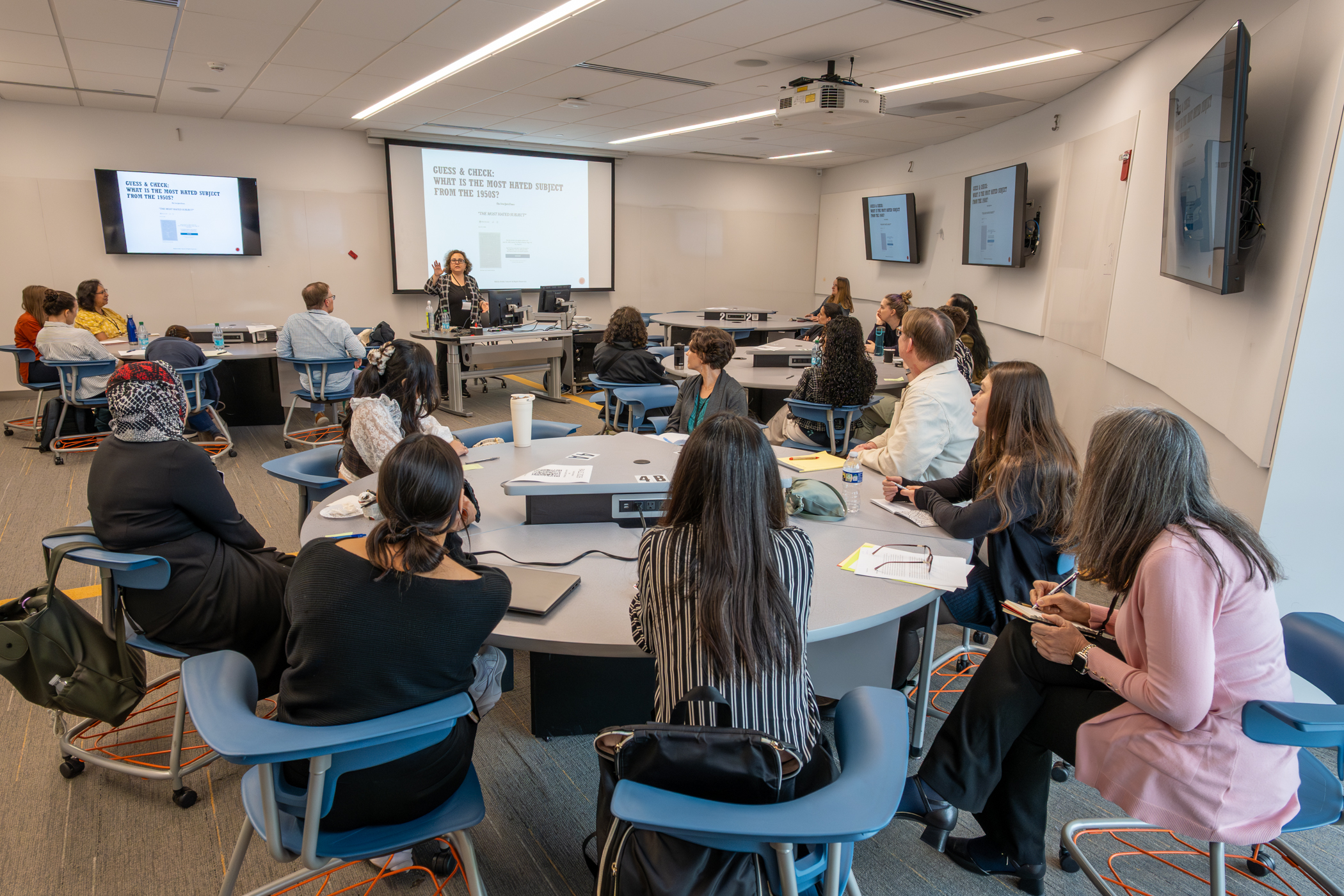
Sheila TabanliThis workshop drew on a cognitive science–based, interdisciplinary framework that has been successfully implemented in an undergraduate course recognized with multiple awards, demonstrating practical strategies for fostering active, student-centered learning. Participants engaged in dynamic, collaborative activities, including brief metacognitive exercises and small-group error analysis, experiencing firsthand how students confront and reflect on misconceptions. Through guided discussion and reflection, attendees explored strategies for fostering engagement, collaboration, and self-regulated learning in both in-person and online classrooms. This session bridged research and practice, offering a roadmap and practical strategies for transforming classroom dynamics and empowering students to move from surface-level familiarity to meaningful mastery.
Dr. Sheila Tabanli is an Associate Teaching Professor of Mathematics at Rutgers University–New Brunswick with over 25 years of experience as a K–16 educator. She is the author of the Guidebook for Reducing the Novice-to-Expert Perception Gap in Mathematics and founder of RR2PG, a cross-disciplinary faculty community advancing evidence-based, empathy-informed teaching. She developed the 3C Pedagogical Model—Compassionate, Connected, and Community-centered learning through Cognitive Apprenticeship. Her interdisciplinary course, Math 125, is supported by teaching fellowships and longitudinal data showing reduced DFW rates in gateway math courses. Her work has been featured in Forbes, Inside Higher Ed, and The Chronicle of Higher Education.
-
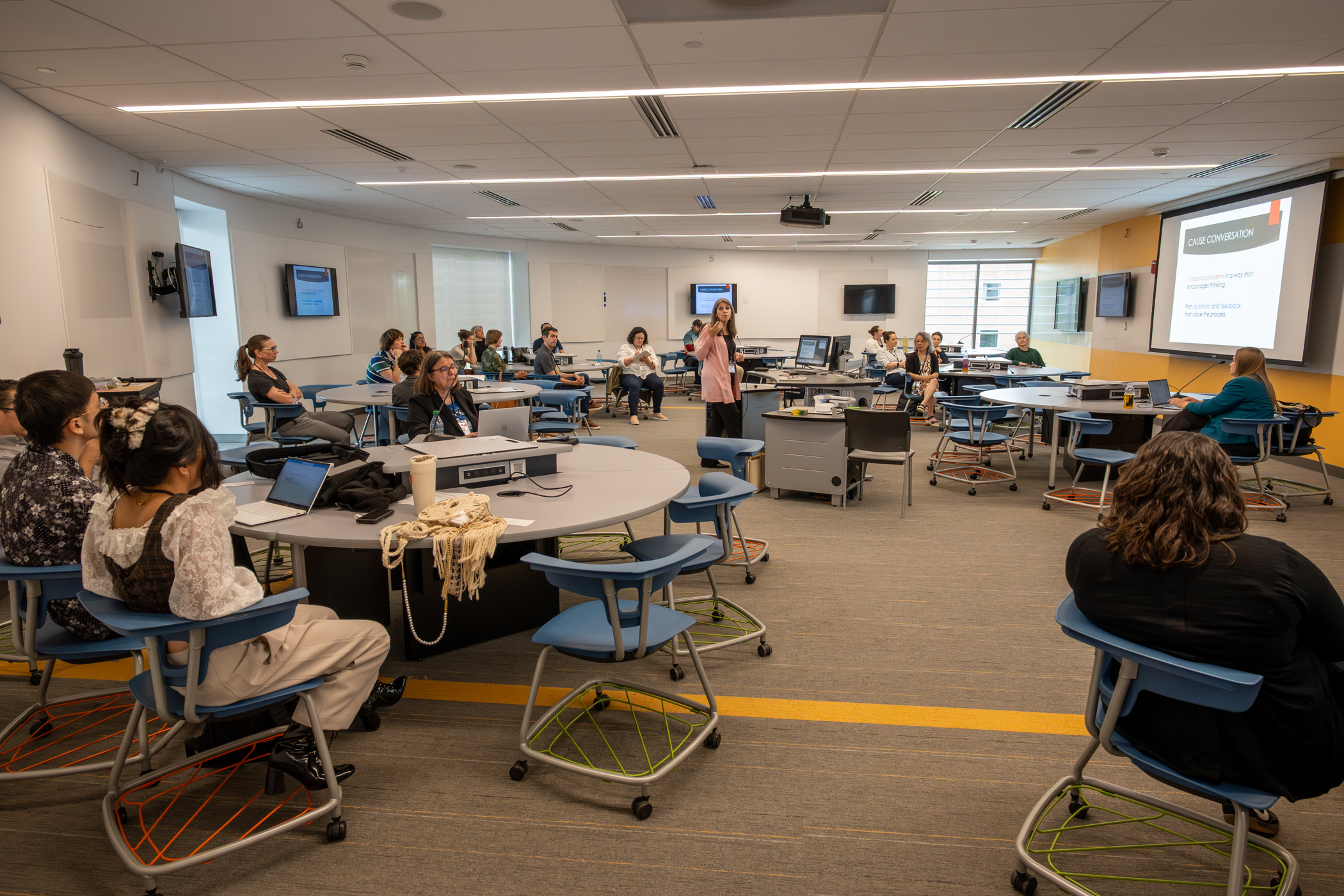
Debra GulickA lack of confidence interferes with students’ willingness to attempt new tasks and more challenging content. In this workshop, participants considered strategies to use during lectures and recitations to support students’ acquisition of skills and build their confidence so that they continue to engage. This session explored strategies that provide students with opportunities to take risks, engage with content, and identify their areas of confusion. Strategies include posing questions that spark conversation, before determining answers, providing a series of questions that build upon each other and grow in difficulty, and finding minutes during lectures to check in and encourage students. Providing opportunities for small successes and feedback helps students gain confidence as they progress through the course.
Debra Gulick has been a Lecturer in the Math Department at Rutgers University for the past 12 years. Before joining Rutgers, she taught mathematics at the high school level and served as a school administrator in a number of NJ School Districts. She also provides professional development sessions for mathematics teachers across NJ. Debbie started her career as an engineer before moving into education. She holds a Bachelor of Arts in Engineering and a Master of Arts in Educational Leadership, and certification in Mathematics.
-

Panelist: Dr. Ines Rauschbach, Dr. Sheila Tabanli, Tatiana RodriguezModerator: Barbara Rusen
This panel discussion provided an overview of the summer session, including key goals, timelines, and resources available to support instructors. A panel of experienced faculty shared their approaches to designing and teaching compressed courses, with particular attention to strategies that promote active learning and sustained student engagement in an accelerated term. Participants gained practical ideas for structuring interactive, effective learning experiences during the summer term.
Dr. Sheila Tabanli is an Associate Teaching Professor of Mathematics at Rutgers University–New Brunswick with over 25 years of experience as a K–16 educator. She is the author of the Guidebook for Reducing the Novice-to-Expert Perception Gap in Mathematics and founder of RR2PG, a cross-disciplinary faculty community advancing evidence-based, empathy-informed teaching. She developed the 3C Pedagogical Model—Compassionate, Connected, and Community-centered learning through Cognitive Apprenticeship. Her interdisciplinary course, Math 125, is supported by teaching fellowships and longitudinal data showing reduced DFW rates in gateway math courses. Her work has been featured in Forbes, Inside Higher Ed, and The Chronicle of Higher Education.
Tatiana Rodriguez is an Adjunct Professor at Rutgers University, where she teaches Public Speaking, Social Media, and Leadership. She is also the creator of Tatiana Teaches, a platform that fuels educators to design learning experiences students enjoy and remember. A self-proclaimed tech nerd, she loves turning classrooms into experiential, interactive environments. Guided by her motto, “teach beyond the bland,” her work focuses on active learning, technology and multimedia integration, and student belonging. She blends neuroscience with practical classroom strategies and brings real classroom examples into every session, helping educators move beyond passive lectures and into experiences where students are thinking, responding, and genuinely engaged.
Barbara Rusen, Ed.D., brings over 23 years of experience as an administrator and educator dedicated to advancing student success through pathways that enable students to continue their academic journey. I have been a thought leader in this area since 2015 and am nationally recognized for my leadership as Past President for the Association of University Summer Sessions and various roles within the North American Association of Summer Sessions. When discussing summer sessions, my focus is on the unique demands of compressed curriculum design, modality, and ensuring that shortened timelines result in vibrant, interactive experiences that propel students toward graduation.
-

Frederick ChooThis session introduced participants to Answer-Until-Correct team quizzes, a formative assessment where groups discuss multiple-choice questions and make multiple attempts until they arrive at the correct answer. This approach improves learning by increasing discussion, providing immediate feedback, encouraging learners to keep working on a problem, and reducing test anxiety. Drawing on a case study from my course, Fredrick discussed two ways of implementing such quizzes. Participants explored some of the potential challenges and various pedagogical choice points so that they can adapt the quizzes to their own courses.
Frederick Choo is a PhD candidate from the Rutgers Philosophy Department, specializing in ethics and philosophy of religion. He is passionate about making learning fun and building community in the classroom. He is a member of the American Association of Philosophy Teachers, has presented on pedagogy at multiple American Philosophical Association conferences, and has a forthcoming publication in the American Association of Philosophy Teachers Studies in Pedagogy.
-
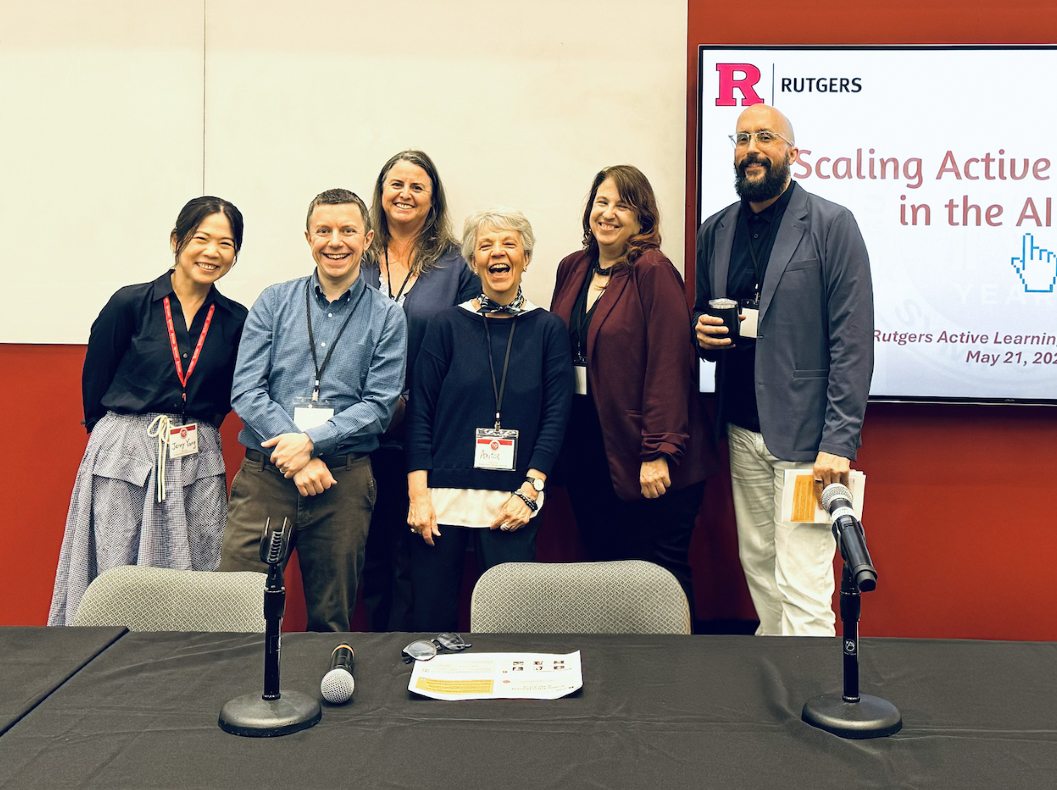
Panelists: Dr. Jenny Yang; Dr. Anita Franzione; Dr. Lyra Stein; Dr. Crystal Akers; Dr. Warren Allen
Moderator: Dr. David Goldman
In this session, a panel of faculty across disciplines shared their experiences incorporating active learning strategies, broadly understood as intentionally actively engaging students in their coursework, via various teaching modalities in the AI era. Faculty shared discipline-specific challenges in implementing active learning techniques for in-class activities, online tasks, and assessments. Those who are scaling shared changes attempted, and those who are already teaching large classes will share tips and tricks for implementing active learning more effectively and efficiently. The panel also discussed new opportunities and challenges for better engaging students as active learners in the age of AI, in particular, how to utilize AI as a collaborative partner to problem solve and critically evaluate AI outputs as a team. In the final 20 minutes of the session, panelists interacted with the audience to expand on the panel discussion and address additional issues related to scaling active learning.
Dr. David Goldman is Director of Teaching, Learning, and Assessment at the SAS Office of Undergraduate Education. He works with SAS instructors and teammates on the SAS Teaching and Learning Team to cultivate and support a community of excellent teachers at Rutgers. He also coordinates assessment practices that emphasize improving student learning.
Dr. Jenny Yang is Associate Teaching Professor and Language Programs Coordinator in the Department of Asian Languages and Cultures. She has been incorporating active learning strategies into all her classes for the past three years, and she has worked on numerous projects to find solutions to current teaching challenges. Dr. Yang is a Co-Intelligence Teaching Fellow, a Faculty Career Fellow, a Provost’s Teaching Fellow, and a Humanities Plus Grant recipient.
Dr. Anita Franzione is a Teaching Professor at the Bloustein School of Public Health and Health Administration. She has been involved in active learning since the Academic Building and its active learning classrooms were opened! Dr. Franzione has been on many committees and task forces on the topic of learning approaches in the class. She enthusiastically incorporates all active learning strategies and always enlists student feedback on what works.
Dr. Lyra Stein is an Associate Teaching Professor in the Department of Psychology. She focuses on designing scalable active-learning environments that promote deep engagement, critical thinking, and meaningful student interaction. Dr. Stein integrates evidence-based pedagogy with emerging AI tools to develop structured activities that balance innovation with academic integrity. A participant in multiple teaching institutes on inclusive pedagogy and AI in education, she is committed to helping students move toward intellectual ownership and curiosity in complex, real-world topics.
Dr. Crystal Akers is an Associate Teaching Professor in the Department of Linguistics. She continually explores active learning strategies for online asynchronous courses, with a current focus on collaborative, project-based approaches to help students deepen disciplinary knowledge and strengthen transferable skills. Dr. Akers is a Faculty Career Fellow, member of the 2025 cohort of the Rutgers SAS Strategic Curriculum Development Program, and a past recipient of the SAS Award for Distinguished Contributions to Undergraduate Education, Online Teaching.
Dr. Warren Allen is an Associate Teaching Professor and Undergraduate Program Director in the Library and Information Science Department at the Rutgers-NB School of Communication and Information. He is a public interest technologist with a professional background in cybersecurity engineering and consulting for government and private sector organizations.
-
Chris Morett
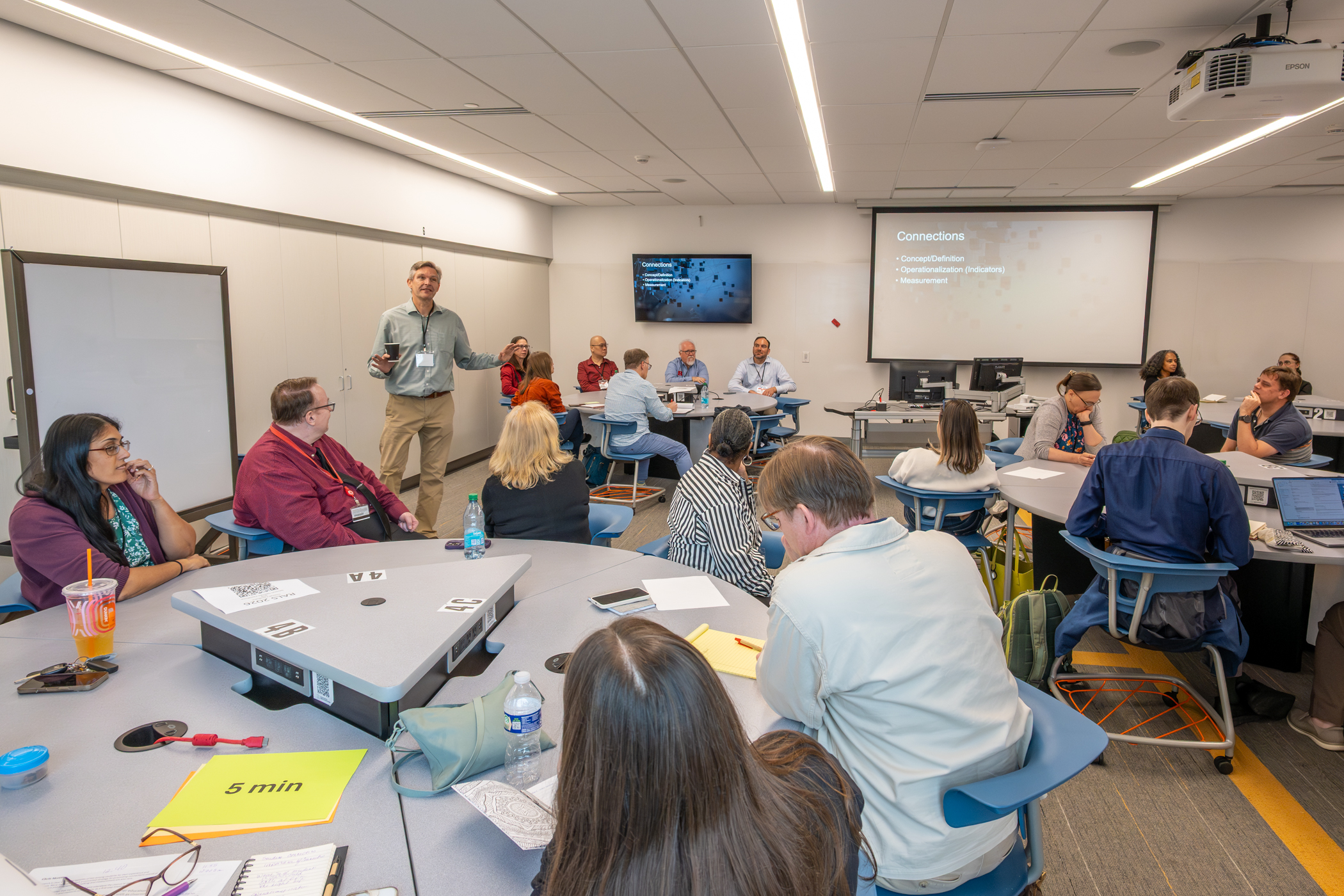
Research is clear about the benefits of ties among students for their experience and outcomes. Many institutions lack a concerted strategy for promoting connections overall or within majors and programs. Goal setting and measurement are also rare.
This session addressed that topic, and gave attendees the chance to start sketching out how they might define and measure connections, as a first step towards an overall strategy for promoting them.
Chris Morett, PhD is the President of Co|Here Campus and Workplace, a higher education consulting firm focusing on campus and space planning and utilization, as well as classroom management and academic scheduling. He is also the organizer of the Faculty Approachability Project, which promotes institutional awareness and capacity around faculty-student engagement.
-
Justin Kalef
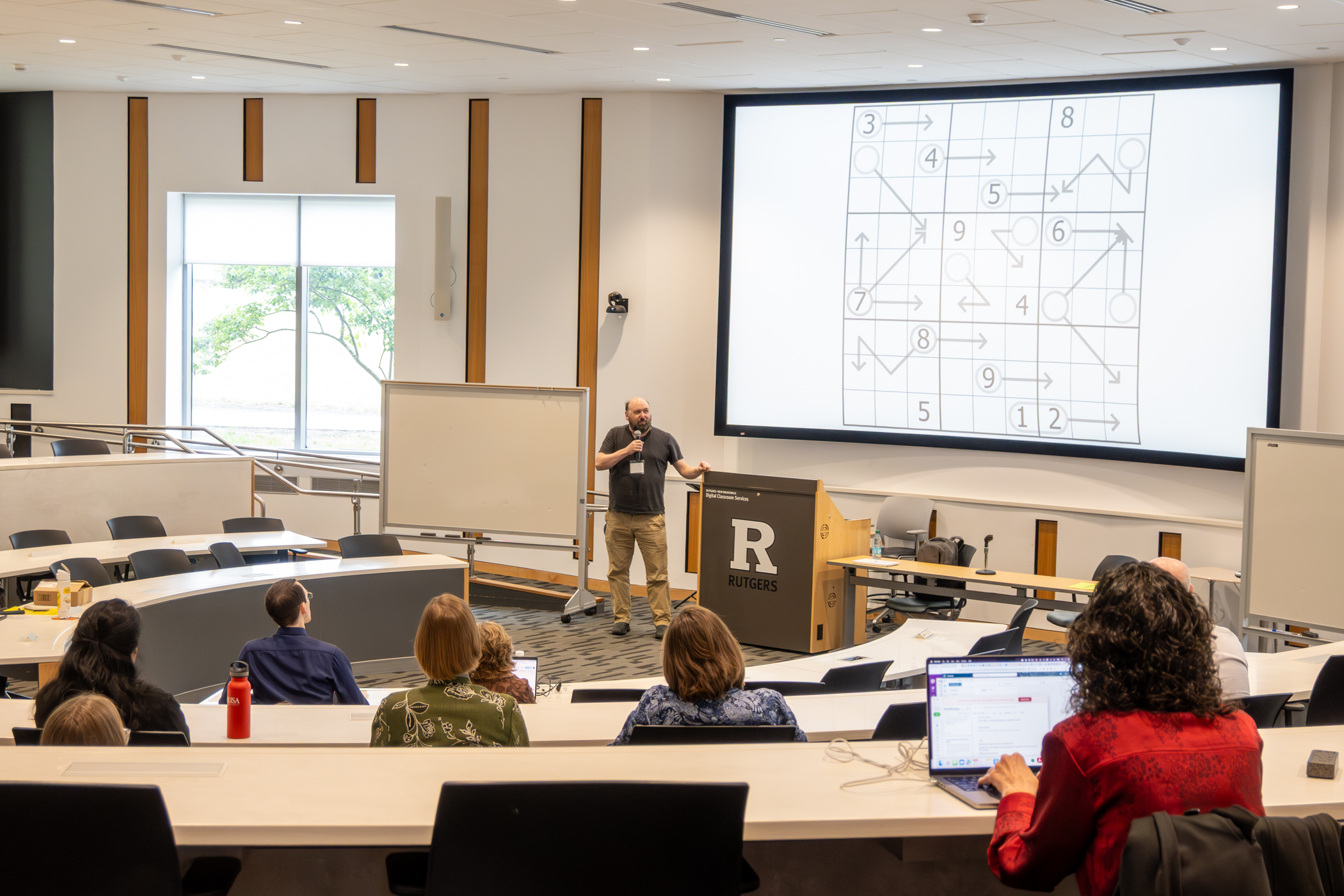
This presentation explained the active learning structure of Justin’s very unusual course, Thinking Through Puzzles — a course he prepared for over a decade before he was ready to teach it for the first time. Justin explained how students are motivated to develop themselves to achieve the course’s seemingly impossible goals through an environment that emphasizes both rigor and student autonomy. Thinking Through Puzzles employs a flipped classroom model in which nearly all the class time is spent on collaborative problem-solving. Despite the lack of participation and attendance grades, most students arrive early and stay late, put their electronics away before entering our classroom, and think and talk meaningfully with one another. The midterm and final exams are both collaborative and engaging, and yet the exams’ security is stringent.
Justin showed how to combine these elements to help students transform themselves from tech-addicted zombies to developed human beings who are ready to face the world of scholarship or whatever else their paths in life lead to.
Justin Kalef has been teaching in the Rutgers Philosophy Department since 2011, where he served for many years as Director of Teaching Innovation. He is currently writing a book on the rules of reasoning and finishing off a MOOC (Massive Open Online Course) on ethics for Coursera. He recently launched a Substack entitled ‘Teaching Philosophically.’
-

Rasha AbadirPeer discussion can serve as a live window into student reasoning, offering instructors a direct line of sight into the evolving logic of their thinking. This session highlighted how providing students with opportunities to negotiate and discuss their thinking processes transitions them from passive recipients of information to active learners. By using questioning techniques that inquire into students’ thinking, instructors promote a high level of reasoning and critical thinking. Intentionally inviting students to examine their assumptions fosters an environment where misconceptions that often remain hidden during individual procedural work are brought to the surface. Examples of empirical data were presented, describing an episode of student work in a mathematical context in which students engaged in pair discussion during a problem-solving session. Participants explored this active learning approach, in which student discourse demonstrates the ability to engage in productive discussion that develops a more thorough understanding of complex ideas.
Dr. Rasha Abadir is an Assistant Teaching Professor of Mathematics at Rutgers. With over two decades of experience across secondary and university classrooms, Dr. Abadir is dedicated to making mathematics accessible through active learning and real-world applications. Beyond the classroom, Dr. Abadir contributes to the broader field by speaking at international and national conferences to share research-based insights and innovative teaching practices. Her work focuses on transforming math instruction through empowering fellow educators to create engaging and innovative learning pathways that foster critical thinking and long-term problem-solving skills.
-

Christopher Hass & Mary EmenikeHave you ever asked yourself: “What impact will implementing ________ in my class have on student outcomes and experiences?” Or “What was the impact of ___________ on my students’ experiences and learning outcomes?” If so, you’re not alone! Many educators wish to examine the impacts that changes are having or collect information to determine what kinds of changes to pursue. Literature and pedagogical workshops can give us great research-based interventions, teaching strategies, and educational technologies to incorporate in our classes, but adapting them and establishing them in our own classrooms often requires assessment and reflection.
In this workshop, participant engaged with case studies related to active learning to develop fundamental skills in shaping inquiry and selecting types of data to support their ongoing course transformations and the Scholarship of Teaching and Learning (SoTL) goals. This workshop helped instructors develop fundamental skills for shaping and scoping their questions related to their teaching (which are going to change over time!). After participating in this workshop, instructors were encouraged to apply what they learned to their own areas of inquiry related to their teaching.
Dr. Christopher Hass is a physics education researcher, and a postdoc at Rutgers University, working with Dr. Mary Emenike in the Department of Chemistry and Chemical Biology. They study faculty career development and institutional change as part of the Teaching Excellence Network grant team. They have over 6 years of experience working with faculty to understand their career experiences and needs, as well as conducting research and development with professional development programs.
Mary Emenike is an Associate Professor of Professional Practice in the Department of Chemistry and Chemical Biology at Rutgers-New Brunswick. She is a chemistry education researcher and directs the TRIAD Coalition in the School of Arts and Sciences. She supports faculty in their course transformation efforts and collaborates on various discipline-based and STEM education research projects. She teaches an Introduction to Chemistry Education course to chemistry teaching interns pursuing a Certificate in Chemistry Education or a chemistry education minor. Mary is a founding member of the Rutgers Active Learning Community. Through the Learning Assistant Alliance (LAA), she supports faculty development and adoption of the Learning Assistant Model nationally. Mary earned her BS in Chemistry from Nazareth College and her PhD in Chemistry Education Research from Miami University.
Schedule Key
-
These sessions were led by our special guest, Barbara Oakley.
-
Panels were guided conversations in which experts and practitioners discuss a particular topic within active learning.
-
Presentations were typically given in a lecture format and were often used to highlight case studies and research findings.
-
Workshops were interactive sessions in which attendees learned by participating.
Thank You
RALS is a community effort. Among those we want to thank is the Rutgers Teaching Excellence Network (NSF IUSE #2013315), whose funding helps make RALS possible. We also want to thank our proposal reviewers and moderators: Rasha Abadir, Hebbah El-Moslimany, Debra Gulick, Ines Rauschenbach, Sheila Tabanli, Monica Torres, Tina West, and Jenny Yang. James Kizhnerman, Wilson Contreras, Patrick Auletto, Mike Bowker, Ed Rebert, and Dan Wong provide crucial technical support for RALS. Mackenzie Barry, Marie Freibergs, and Deanna Acosta of the Rutgers Learning Centers are central to making the Symposium work. Finally, thank you to the School of Engineering for providing Richard Weeks Hall.
Stay Involved
The Active Learning Community offers opportunities to develop your teaching and connect with colleagues throughout the year.
